- Browse all categories
- Best Picks by Swift Karting: The Essential Pit Tools
-
- Brake Bleeder Kit
- Brake Fittings & Ferrules
- Brake Fluid
-
Brake Hubs
- Brake Line
-
Brake Parts (M.C.P.)
-
Brake Rotors
- Caliper Brackets
- Enginetics Parts
- Euro Brake Pads
- Front Wheel Brakes
- Master Cylinder Caps, Billet
- Quarter Midget Brakes
- Rotor Guards
-
- Alfano Gauges & Accessories
- Hour Meter
-
Mychron Gauges
- Stopwatches
- Tach Bags
- Transponder Holders
-
-
Axle Bearings
- Axle Cassettes
-
Axles & Accessories
-
Bully Clutches
-
Chain
- Chain Breaker Tools
- Clutch Drivers
- Clutch Friction Discs
- Clutch Mounting Bolt Kits
- Clutch Spacers
-
Hilliard Clutches
- Honda GXH50 Kid Kart Clutch
-
Horstman Clutch Parts
- Lock Collars
-
Max-Torque Clutches
-
Nor-Am Clutches
-
Premier Clutches
- SMC Kart Clutches
- Sprocket Guards & Hardware
-
Sprocket Hubs
-
Sprockets
-
Viper Clutches
-
-
-
196cc Clone Engine & Parts
-
212cc Clone / Predator Engine & Parts
- 224cc Clone Engine & Parts
- Air Filters & Pre Filters (1.25")
-
Air Filters & Pre Filters (2-7/16")
- Big Block Clone Accessories
-
Briggs LO206 Engines & Parts (LO206)
- Briggs Quarter Midget Engine and Parts
- Briggs World Formula
- Camshafts
- Carb Cover (2-7/8")
- Carb Manifolds
- Catch Tanks
- Chain Guards & Hardware
- Exhaust Header Wrap
- Exhaust Silencers & Clamps
- Flywheel Screens
- Fuel Filters
- Fuel Line
- Fuel Pumps
-
Fuel Tanks
-
Gaskets (Fel-Pro)
- Honda GXH50 Kid Kart
-
Motor Mounts
-
Oil & Additives
- Pulse Fittings
-
Raptor (Flathead) Parts
- Spark Plug Index Washers
- Spark Plugs (2-Cycle & Honda Kid Kart)
- Throttle Cables & Hardware
- Tillotson Carbs
- Wiseco Pistons
-
- Track Wear, Kart Life Apparel

WMS
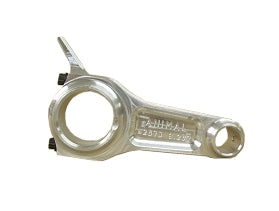
WMS Briggs Animal Billet Connecting Rod - 3.282" / .005 Clearance - Modified Classes
WMS Briggs Animal Billet Connecting Rod - 3.282" / .005 Clearance - Modified Classes
Couldn't load pickup availability
Optimizing Your Briggs Animal Bottom End
In the heat of competition, every gram of rotational weight dictates your throttle response. By pairing this precision CNC-machined rod with high-performance engine pistons, you create a perfectly balanced rotating assembly that minimizes parasitic drag. The tight .005-inch clearance is meticulously designed to optimize oil film thickness, preventing the catastrophic hotspots and bearing galling that sideline lesser engines. Whether you are running a heavy-duty sprint setup or searching for that perfect go kart frame for sale to build a new modified beast, this rod ensures your engine delivers consistent, fade-free power lap after lap.
Seamless Integration with Racing Drivetrains
Power means nothing if it doesn't reach the rear axle efficiently. When you upgrade your engine internals, the increased torque output demands a drivetrain that can handle the hit. This WMS billet rod works in perfect harmony with aggressive engagement profiles found in premium bully clutches, ensuring that the raw power generated in the combustion chamber translates directly to forward momentum. Just as you wouldn't compromise on safety gear like Snell-approved racing helmets, you shouldn't compromise on the structural integrity of your engine block.
Technical Specifications & Features
- Aerospace-Grade Billet Aluminum: Maximizes tensile strength while significantly reducing reciprocating mass for faster spool-up.
- 3.282-Inch Center-to-Center Length: Precision-machined for exact Briggs Animal stroke geometry and optimal deck height.
- .005-Inch Undersize Clearance: Engineered for superior oil retention and hydrodynamic lubrication under extreme loads.
- CNC-Machined Finish: Eliminates stress risers and guarantees flawless balance right out of the box.
- High-Tensile Rod Bolts: Includes premium fasteners to prevent cap walk during sustained high-RPM operation.
- Thermal Fatigue Resistance: Dissipates heat rapidly to protect critical crank journal surfaces during endurance events.
- Broad Class Legality: Ideal for modified builds and specific stock classes requiring aftermarket durability upgrades.
Frequently Asked Questions
Q: Why should I choose a .005-inch undersize rod over a standard size?
A: A .005-inch undersize rod is specifically designed for crankshafts that have been turned or polished to a smaller diameter. It ensures the correct oil clearance is maintained, which is critical for preventing bearing failure and maintaining proper oil pressure in high-RPM racing engines.
Q: Is this rod compatible with stock Briggs Animal engines?
A: This rod is primarily engineered for modified classes. While it offers superior durability, always verify your specific class rulebook regarding aftermarket billet components before installation.
Q: Do I need to use assembly lube when installing this billet rod?
A: Yes. Always use a high-quality engine assembly lube on the rod journal and bearing surfaces during installation to prevent dry-start friction and ensure a proper break-in period.
Q: Should I torque the rod bolts to factory specifications?
A: No. Billet rods use high-tensile fasteners that often require specific torque values different from factory cast rods. Always follow the torque specifications provided by the manufacturer to ensure the rod cap is seated correctly without stretching the bolts.
Q: How often should I inspect my connecting rod?
A: For competitive racing, you should inspect your rotating assembly during every major engine refresh. Look for signs of heat discoloration, scoring on the bearing surfaces, or any evidence of cap walk.
Related Products From Vendor
Share